Who runs on-site operations at a Saudi conference?
On-site management connects the venue, registration, programme, production and guest-service teams while the event is running. Give each lead a defined area, an available deputy and a route to the person authorized to decide. The client should know who receives an operational question and who can approve a change.
Conference venue handover from logistics to on-site operations
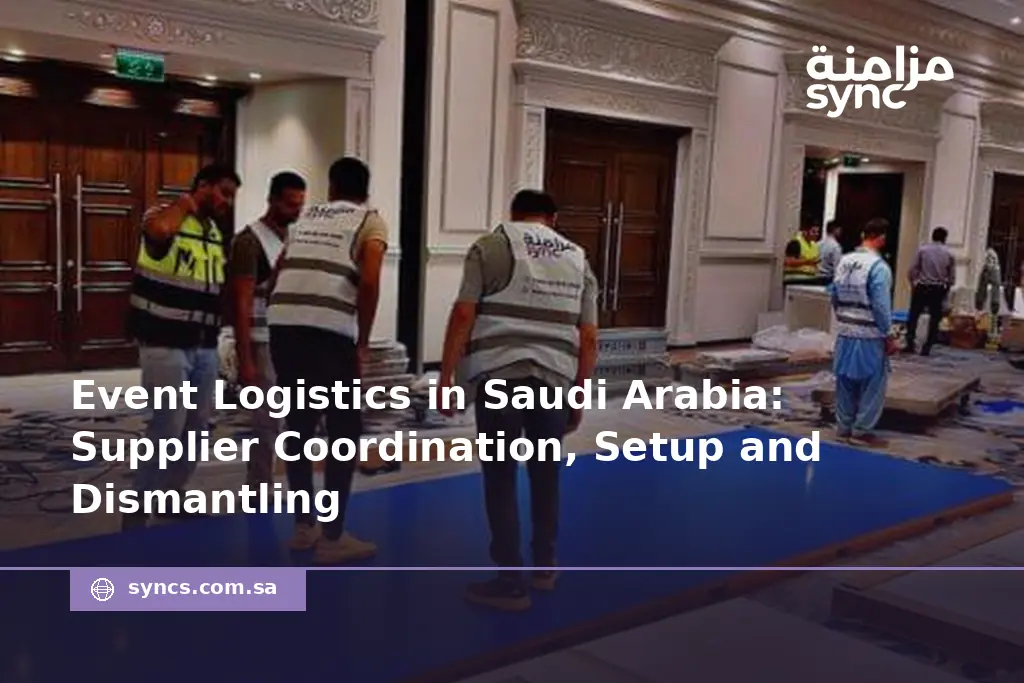
Logistics gets people and materials ready. Live operations accepts that readiness and directs what happens as guests arrive, sessions change and requests emerge. Record the handover between them. An installed registration desk is not ready until its staff, equipment, access rules and support arrangements have been checked.
Confirm the operating responsibilities within SYNC’s event management services rather than assuming “on-site support” means ownership of every supplier and decision.
Conference opening checklist for venue and event teams
Run the opening check against the actual guest journey. Ask each lead to confirm readiness and identify unresolved issues. The authorized event and venue teams decide whether opening can proceed under the agreed site arrangements; a ticked spreadsheet does not replace their assessment.
| Area | Operational check | Evidence or decision |
|---|---|---|
| Guest arrival | Entrance, directions and reception positions match the approved plan | Named lead confirms the route and reporting point |
| Registration | Search, check-in and badge workflow tested with the actual setup | Test results and exception owner recorded |
| Programme and rooms | Current session information and room readiness agreed | Room and programme leads confirm the handover |
| Production | Required systems tested; operators and communication ready | Technical lead reports readiness and open actions |
| Guest support | Help point, accessibility arrangements and escalation contacts briefed | Staff know who handles requests and urgent concerns |
Brief the team on the current programme, guest categories, contact method and decisions they can make. Check relief and handover arrangements so a critical position does not become unattended when someone takes a break. Use the event staffing guide for role planning.
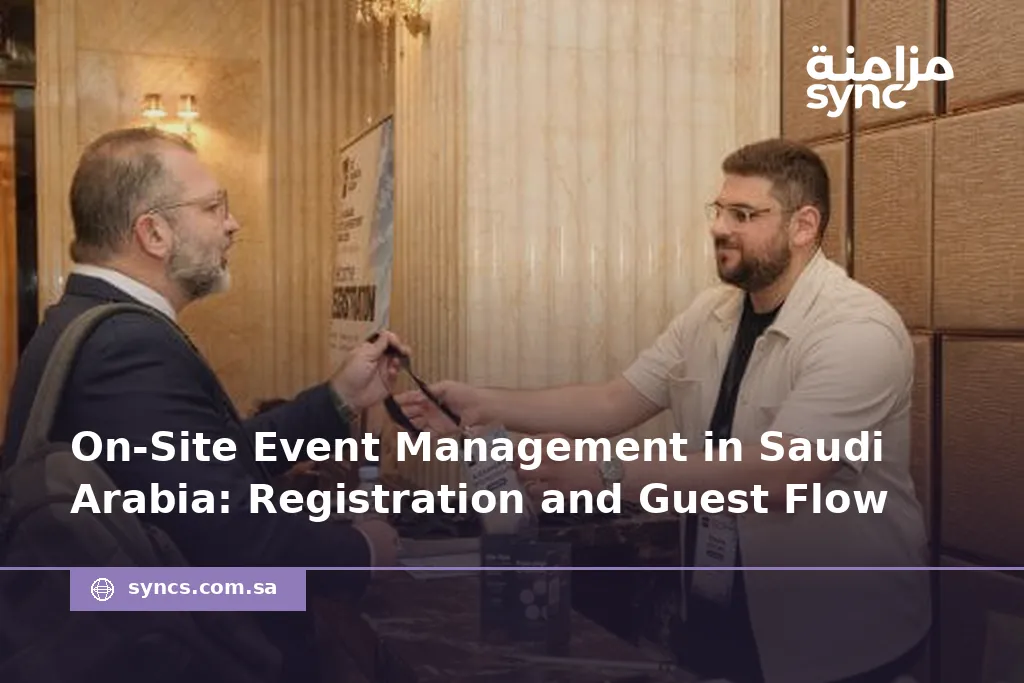
On-site conference registration, access checks and badge printing
Give the registration team two paths for processing arrivals, based on the approved conference layout.
- Routine check-in. Find the approved record, confirm the required details, check the guest in and issue the right badge.
- Missing names and badge changes. Where space allows, direct the guest to a staffed resolution point. Name the person who can approve substitutions and access changes.
- Opening rehearsal. Run one routine arrival and one approval case. Check that staff can direct both guests to the next point after printing the badge.
“Before the event, let attendees know when the registration desk will be open for check-in.”
Put the desk opening time and the correct entrance in the confirmation message so attendees can plan when and where to arrive.
Test event registration technology with the actual devices, printers, data and venue connection. Platform features only help when the team understands the workflow and has a tested fallback.
Conference registration queues and guest flow in Riyadh and Jeddah
Observe arrival, registration, room entrances, session changes, refreshments and departure. A fast scanner will not resolve a blockage farther along the route. Ask supervisors to report where people accumulate and what is slowing movement, rather than relying on registration totals alone.
Work within the venue-approved layout and site safety arrangements. Keep designated routes available, and escalate crowding or other safety concerns through the agreed responsible team. Changes to barriers, access or room use need appropriate review; guest-service staff should not improvise a new crowd-control plan.
Check whether directions work for the actual audience, including language and accessibility needs. A sign that looks clear from the registration desk may be missed by someone arriving from a different entrance.
How to escalate conference queues and room changes
Use a short reporting format: location, issue, effect and action needed. Confirm who acknowledges the request and who follows it through. Separate urgent operational traffic from general updates so the right lead can identify the next decision.
Record material changes and open issues in one working log. If a session moves, coordinate the room team, programme information, signage and guest-facing staff. The event risk and contingency plan should define the response routes for critical disruptions; a group chat is not a substitute for that preparation.
Conference operations handover and supplier closeout
Before releasing teams, confirm remaining guest needs, outstanding items, supplier handovers and the next responsible contact. Preserve the operational record for debrief: what happened, what was decided, what remains open and who owns the follow-up.
On-site registration at the DDC Financial Forum in Riyadh
At DDC Financial Group’s forum in Riyadh, SYNC managed registration, on-site operations and technical production. The project shows how the registration desk, venue team and stage production fit within the same delivery scope.
What SYNC runs on site at Saudi conferences
As a conference management company in Saudi Arabia, SYNC coordinates the venue, registration desk and technical crew in one operating plan. We agree who handles guest-list changes, badge printing and escalation when a queue or room move needs action. Share your programme and venue plan so responsibilities are clear before opening.
Questions about conference check-in and guest flow
What should an on-site event management checklist include?
Include opening readiness, the team briefing, guest arrival, registration, room transitions, technical support, communication, escalation and closeout. For each item, name the responsible lead and the confirmation needed. Adapt the checklist to the actual programme and venue rather than copying every possible event task. A useful check is whether a team member can tell what to do when the expected condition is not met. If the document only says “registration ready,” add the checks that establish readiness.
How can we reduce event check-in queues when many guests arrive together?
Examine the complete process before adding counters. Identify whether the delay is record search, approval, badge printing, access checking or an unrelated task being performed at the desk. Test a realistic arrival scenario and separate complex exceptions where the approved layout permits. Brief staff on the resolution route and monitor the effect of changes. Do not promise a fixed processing speed from scanner specifications alone; the devices, data, staff and guest requirements all affect the result.
What should happen if venue Wi-Fi fails during event registration?
Use the fallback agreed with the platform provider and venue before opening. Confirm which functions actually work offline, how staff record exceptions, and how records will be reconciled when service returns. A downloaded list may support lookup but does not necessarily preserve access controls or prevent duplicate check-in across devices. Keep guest information available only to the staff who need it, and nominate who authorizes the change in workflow. Rehearse the fallback with the real equipment.
Does QR check-in remove the need for trained registration staff?
No. QR scanning is one step in a broader service. Staff still need to handle missing or incorrect records, badge reprints, guest questions, access exceptions and equipment problems. Decide which roles manage routine arrivals and which can resolve cases requiring approval. An unattended kiosk also needs a support arrangement. Choose staffing around the actual workflow and arrival pattern, then test it; a technology feature does not establish how many people your specific event needs.
Who should approve walk-ins, substitutions and last-minute guest changes?
Agree an authorized client or organizer contact before the event, with a deputy and a clear way to reach them. Brief registration staff on routine corrections they can make and changes that require approval. Record the decision and update the relevant arrival or access information through the agreed process. Apply the event’s approved invitation and access rules consistently; do not let a growing queue turn an unresolved request into automatic admission or an improvised policy.