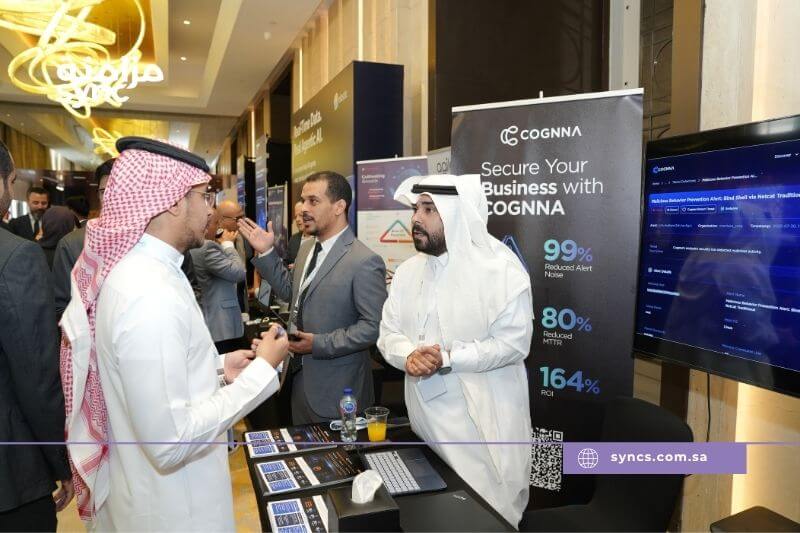
Attracting the right people to a B2B conference starts long before you send an invitation. It begins with defining exactly which companies and decision-maker roles you need in the room, then working through a structured process: target accounts, decision-maker sourcing, personalised outreach, delegate qualification, and attendance confirmation. Volume is not the goal. Relevance is.
What Makes a B2B Delegate “Qualified”?
A qualified delegate is someone who matches your event’s attendee criteria and has the authority or influence to engage with the content, the other attendees, and the commercial purpose behind the event.
For most B2B conferences, qualification comes down to four factors:
| Criteria | What to define |
|---|---|
| Company | Target industries, account size, strategic relevance |
| Role | Job function and decision-making authority |
| Seniority | Director, VP, C-suite, or equivalent |
| Intent | Active interest in the event topic or business problem |
A room of 80 qualified decision-makers will generate more value than 400 general registrants for attendees, sponsors, and organisers alike. The quality of the audience directly affects the quality of the conversations, the networking, and the post-event outcomes that justify the event’s existence.
Key takeaway: Delegate acquisition is not attendee acquisition with a different name. It is a targeted process that starts with account selection and ends with confirmed attendance.
Start With Target Accounts, Not a General Audience
The most common mistake in B2B event promotion is beginning with a broad database and filtering down. By then, the messaging is already generic, and the outreach has no specificity.
Instead, start with the accounts you want represented in the room. Build a target-account list based on:
- Industry and sector relevance: Which industries are most affected by the problem your event addresses?
- Company size and maturity: Are you targeting enterprises, scale-ups, or specific segments?
- Strategic fit: Which companies would benefit from being in the same room as your other attendees?
- Existing relationships: Which accounts already have a connection to your brand, speakers, or partners?
Once your account list is built, identify the specific roles within each account that should attend. In a B2B conference setting, that usually means the person who owns the problem, the person who controls the budget, and the person who will implement any solution discussed.
A framework that works well for B2B events in Saudi Arabia and across the region is to tier accounts by priority. Tier 1 accounts receive personalised, multi-channel outreach. Tier 2 accounts receive targeted email and LinkedIn sequences. Tier 3 accounts enter a broader nurture campaign.
How to Find and Reach Decision-Makers
Reaching senior decision-makers requires more than a mass email. Executives receive dozens of invitations every week. The ones they respond to are specific, relevant, and come through a channel they trust.
Which channels work for B2B delegate outreach
- LinkedIn: For senior executives, a personalised LinkedIn message often outperforms email. It feels less like a campaign and more like a direct conversation.
- Email: Still effective for mid-level and director-level roles, particularly when the subject line and opening line reference something specific about the recipient’s company or role.
- Speaker and partner networks: Speakers and partners bring their own relationships. If they are genuinely engaged with the event, their network hears about it through a credible voice.
- Industry communities: Forums, associations, and professional groups can amplify your invitation to a relevant audience.
Watch for this: A single-channel outreach plan rarely works for senior decision-makers. A sequence that combines LinkedIn, email, and where appropriate a personal introduction from a mutual contact produces significantly better results.
Personalisation is not optional
Generic invitations underperform because they ask the recipient to do the work of figuring out why they should care. A personalised invitation tells the recipient:
- Why this event is relevant to their specific role or company
- Who else will be in the room
- What they will walk away with
This is the difference between “We are hosting a conference on digital transformation” and “We are bringing together operations directors from Saudi manufacturing companies to discuss the specific challenges you mentioned in your recent panel.”
Turning Interest Into Qualified Registration
Interest is not registration. A person who replies “this looks interesting” has not yet committed to attending.
Qualification happens at the registration stage. Your registration form should collect enough information to confirm that the registrant matches your attendee criteria without creating friction that causes drop-off.
A qualification flow for B2B conferences typically looks like this:
- Expression of interest: The person clicks through from an outreach message or event page.
- Registration form: Collects name, company, role, and email. Optionally includes a question about the specific challenge or interest driving their attendance.
- Review: For exclusive events, registrations may be reviewed before confirmation. This allows organisers to maintain audience quality and balance.
- Confirmation: The registrant receives confirmation that their place is secured, along with practical details.
Quick check: If your registration form takes more than two minutes to complete on mobile, you are losing qualified registrants who were interested but not committed enough to push through friction.
From Registration to Confirmed Attendance
Registration is a signal. Confirmed attendance is a commitment. The gap between the two is where many B2B conferences lose the audience they worked hardest to acquire.
Reducing no-shows requires a structured follow-up sequence between registration and event day:
- Immediate confirmation: A clear message that their place is confirmed, with calendar details.
- Calendar reminder: An .ics file or calendar invitation reduces the chance of the event being forgotten.
- Pre-event content: A short email or LinkedIn message with something useful a speaker preview, a relevant article, a question about what they hope to get from the event.
- Reminder sequence: Two to three reminders in the final two weeks, including logistics and what to expect.
- Personal touch for high-value delegates: For Tier 1 attendees, a personal message from the organiser or a speaker can significantly increase the likelihood of attendance.
Key takeaway: Confirmation is not a one-time action. It is a sequence. The more touchpoints a registrant has before the event, the more likely they are to show up.
When Professional Delegate Acquisition Makes Sense
Some conference teams have the internal capacity to run target-account research, decision-maker sourcing, outreach, qualification, and attendance confirmation in-house. Others do not or the event is too strategically important to leave to a process that has not been built yet.
A specialised delegate acquisition process supports:
- Target-account identification: Building the right company list before outreach begins.
- Decision-maker sourcing: Finding the specific roles within those accounts that match the attendee profile.
- Multi-channel outreach: LinkedIn, email, and partner-led invitations working together.
- Qualification and registration management: Reviewing registrations against attendee criteria.
- RSVP and attendance confirmation: Structured follow-up to reduce no-shows.
- Attendance reporting: Knowing who confirmed, who attended, and which accounts were represented.
For B2B conferences, executive roundtables, and corporate events in Saudi Arabia where the goal is qualified attendance from specific companies and roles, this is the capability that separates events that fill with the right people from events that fill with whoever responds first.
Next Step
The process is straightforward: define your target accounts, find the right decision-makers, reach them with a relevant invitation, qualify their registration, and confirm their attendance.
If your event depends on getting senior decision-makers from target companies into the room, and you would rather not build that capability from scratch, SYNC’s B2B event delegate acquisition service is designed for exactly this stage of the problem.