When speakers or delegates face travel disruption, start by checking current information, identifying the event’s critical dependencies and agreeing on workable alternatives. Depending on the circumstances, those alternatives may include adjusting the agenda, enabling remote participation or rescheduling. The decision must reflect current authority instructions, venue readiness and the requirements of the specific event.
As a conference approaches, questions can arrive together: Will the keynote speaker reach the venue? Should the agenda change? What should attendees be told? How would a new date affect equipment, crews and supplier bookings?
Saudi event planning during travel disruptions requires a coordinated response to these questions. Moving one session may also require changes to presentation systems, the published programme and reception-team instructions. Clear responsibilities help the team turn a decision into an executable plan.
What Do Recent Developments Mean for Events in Saudi Arabia?
Arab News reported on 10 October 2026 an attack at King Khalid International Airport in Riyadh and a temporary suspension of operations while damage was assessed. The report also noted advice for passengers to contact their airlines before heading to the airport.
This illustrates how a development can change participant-arrival arrangements. It does not establish that every Saudi event has been cancelled or determine the status of a particular flight or venue. The report describes the situation at publication; it is not a live airport-status update.
For an event organizer, the next step is to identify participants relying on affected services, confirm their current options and assess the programme implications. Alternatives should then be discussed with the client and relevant parties. Any alternative travel route requires its own availability and suitability checks before it is adopted.
Which Parts of Your Event Could Be Affected?
The impact depends on the event’s format and dependencies. An international conference may rely heavily on arriving speakers. A locally attended event may instead depend on specialist equipment or personnel traveling to the venue.
Speakers and delegates
A delayed speaker can affect an opening session or a discussion that subsequent sessions build on. Identify essential participants, confirm expected arrival times and assess whether remote participation would suit the session.
The agenda and attendee experience
Programme changes need to reach the published schedule, operating teams and attendees. Keeping one approved run-of-show helps teams work from consistent instructions rather than different versions of the agenda.
Equipment, materials and suppliers
Production can be affected if equipment, materials or specialist crews are still traveling. Check what is already on site, what remains in transit and which alternatives can actually be confirmed.
What Should You Confirm Before Changing the Plan?
Create a concise status record containing each item’s current position, source, verification time and responsible contact. A series of forwarded messages is harder to assess when the situation changes.
| Item | Information to confirm | Verification source |
|---|---|---|
| Participant flights | Flight status and available change options | Airline and participant |
| Venue | Readiness and event-specific instructions | Venue management and relevant authorities |
| Speakers | Arrival timing or alternative participation | Speaker or representative |
| Production | Equipment arrival, crew availability and installation readiness | Production leads and suppliers |
| Contracts | Schedule-change terms and potential costs | Written agreements and contracting parties |
| Communication | Approved message and distribution channel | Decision owner and communications team |
Separate confirmed information from possibilities still being checked. This gives the client a clearer basis for comparing options and understanding what remains unresolved.
Should You Proceed, Adapt or Postpone?
One delayed flight does not automatically require postponement. Equally, a completed stage build is insufficient to determine whether an event should proceed. Review the event objectives, essential requirements, current instructions and participants’ ability to attend.
The scenarios below are illustrative. They are not SYNC project examples or determinations that an event is safe to hold.
| Situation | Information needed | Option to assess | Decision approval |
|---|---|---|---|
| A speaker may miss their session | Arrival timing and programme flexibility | Change the session order | Client and programme lead |
| Some participants cannot travel | Their role, number and connection options | Remote participation or an adapted format | Client, organizer and technical team |
| Essential equipment is delayed | Delivery timing and suitable alternatives | Substitute equipment or adjust production scope | Client and production lead |
| A venue or authority issues a restriction | Its scope and permitted alternatives | Reschedule or change the format if allowed | Relevant authority and client, as applicable |
Before approving an option, document its effect on the agenda, costs, suppliers and attendee messages. Set a decision deadline that leaves enough time to implement the chosen approach.
How Do You Prepare Workable Alternatives?
A useful contingency plan identifies when an option should be used, who will deliver it and what it requires. Saying “we can stream the session” does not confirm the speaker’s connection or the venue’s readiness for that format.
Adjust the session order
A workshop or locally delivered session may be brought forward if programme owners agree and the agenda allows it. Review the timing with the operating team and update the approved schedule before circulating the change.
Assess remote participation
Remote participation requires a connection test, clear audio and video, a presentation workflow and a way to manage questions. Review AVL and technical production requirements to define the appropriate setup.
Live streaming and event documentation can support content distribution and recording within the agreed scope. Broadcasting to remote attendees and bringing a remote speaker into a physical session are different workflows; each requires preparation and testing.
Review production and scheduling
If the date changes, revisit installation and dismantling windows, crew bookings, storage of fabricated elements and any rebooking requirements. Request a change-and-cost summary before approval. Rescheduling flexibility varies across suppliers and agreements.
How Do You Reassure Attendees Through Clear Communication?
A useful update explains what is confirmed, what attendees need to do and when the next update will arrive. Broad reassurance is less helpful than specific information about the event and its arrangements.
If an assessment is ongoing, say so and identify the next update time. Once an agenda change is approved, explain the change, its effect on attendance or registration and where questions should be directed.
Have the decision owner approve the message and use the channels appropriate for the audience. Keep information consistent across email, the event page and reception teams. Conflicting updates can create uncertainty even when the internal plan is clear.
How Can SYNC Support Planning and Delivery?
SYNC’s event management and coordination services bring together planning, programme coordination, suppliers, production and on-site operations. The required support can be discussed according to the event’s format and available timeline.
When travel arrangements change, discussion points may include speaker coordination, run-of-show updates, remote-participation requirements and the implications for suppliers and technical preparation.
Define the scope clearly: What support is included? Which alternatives are actually available? Who approves changes? What additional costs may arise? These answers provide a practical planning basis rather than a general promise that nothing will change.
Pre-Event Readiness Checklist
- Confirm essential participants’ arrival information with the relevant parties.
- Review venue and authority instructions.
- Identify dependencies the programme cannot operate without.
- Test any proposed technical alternative.
- Approve and distribute one current run-of-show.
- Review supplier terms and scheduling implications.
- Identify who approves decisions and sends updates.
- Prepare an attendee message and the next update time.
Frequently Asked Questions
How do you plan a conference in Saudi Arabia during flight disruptions?
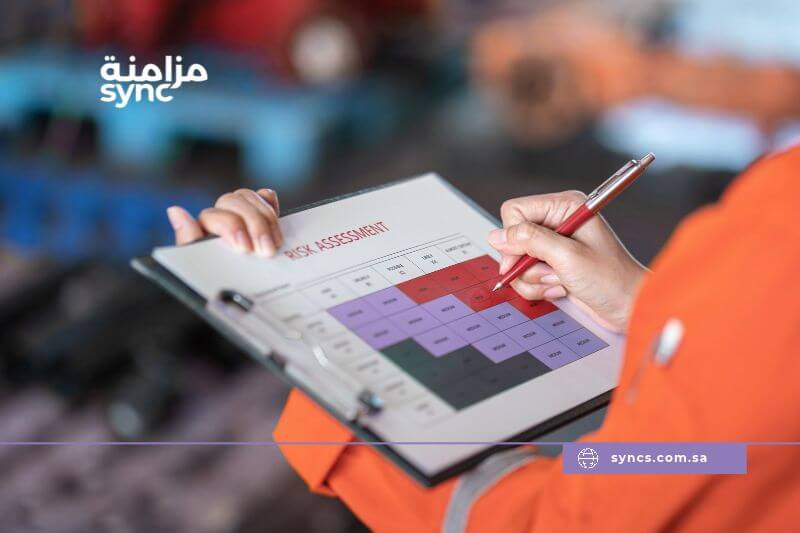
Create a verified risk matrix with decision owners, deadlines and alternatives for speakers, delegates, suppliers and production. Keep the agenda, registration information and communications aligned, using hybrid delivery only when technically and editorially ready.
What should organisers do if an international speaker cannot travel?
Confirm the cancellation, then choose an approved alternative such as a revised session time, substitute speaker, moderated discussion, recorded presentation or remote contribution. Update the moderator, AV team and audience communication before the session.
Should a conference switch to hybrid delivery when flights are cancelled?
Not necessarily. Use hybrid delivery only when audience value, connectivity, AV support and speaker readiness are sufficient. For a small isolated delay, keeping the in-person programme unchanged may be better.
How can organisers manage delegate arrivals when flights are delayed?
Use verified airline updates, provide one official event-update channel, brief registration staff and prepare a late-arrival process. Adjust catering, seating or session access only when the expected impact is material.
Should an event be postponed if some flights are disrupted?
Not automatically. Assess the affected participants’ roles, programme flexibility, venue readiness and current instructions. An adjustment suitable for one event may not meet another event’s requirements.
What if the keynote speaker cannot arrive?
Confirm their options first, then assess a different session time, remote participation or an appropriate replacement approved by the client. Test technical requirements before announcing a new format.
Can a physical conference become a hybrid event?
That can be assessed if the content, venue and technical requirements allow it. Review connectivity, participant interaction, session management, registration arrangements and costs before deciding.
Could changing the date create additional costs?
Yes, depending on agreements, production progress and bookings. Request a written review of affected items rather than assuming suppliers share one cancellation or rescheduling policy.
How should attendees be informed?
Send an approved message covering the decision, its date, the implications for attendees, required actions and a contact point. If the decision is pending, explain what is being reviewed and when the next update is expected.
What should I share with SYNC first?
Provide the event type, date, venue, attendance requirements, speaker arrangements and production needs. Identify any confirmed disruptions so the team can discuss the relevant scope and options.
Discuss Your Event Plan With SYNC
If your event is approaching, bring together the confirmed information and questions that need resolution. Discuss your event requirements with SYNC to define the planning and coordination scope and explore options appropriate to your event.